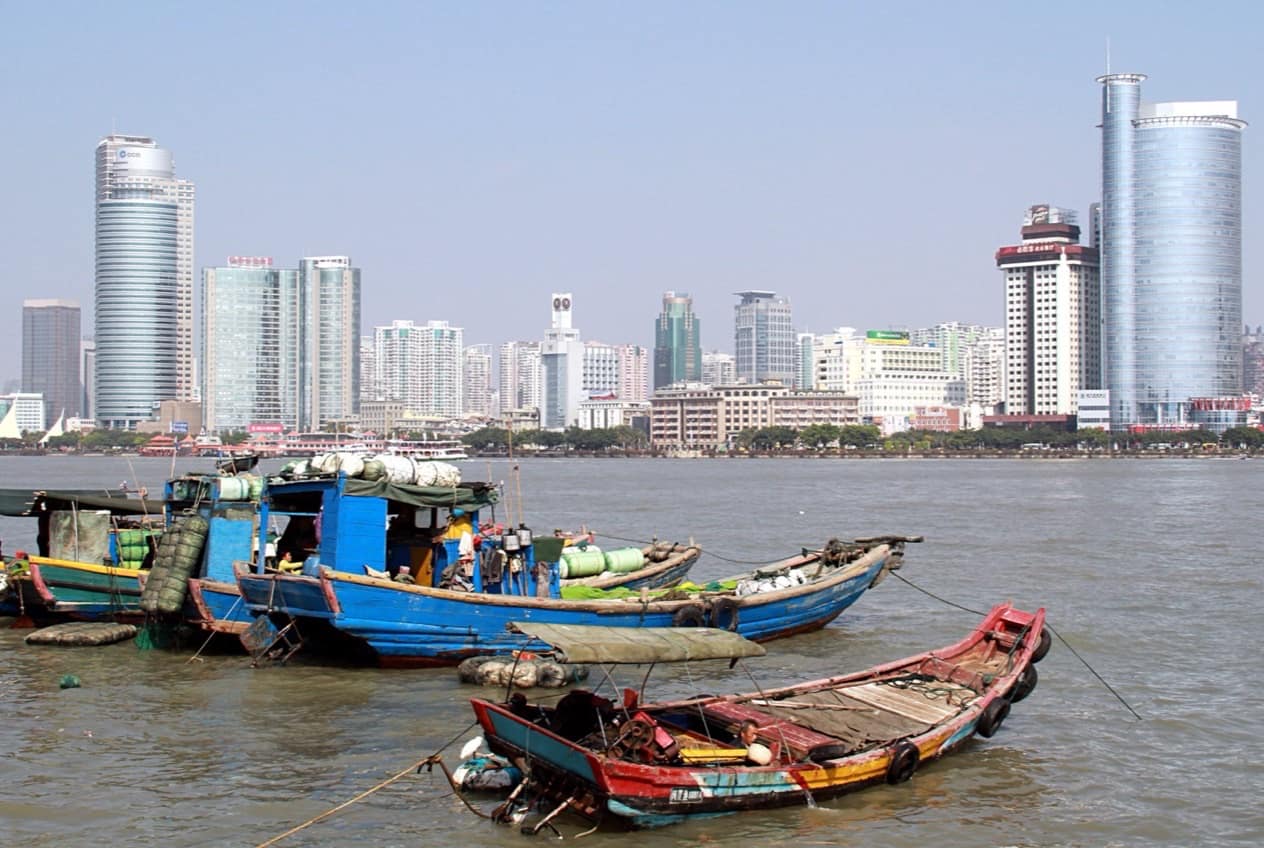
Route overview
Nothing in Xiamen is expensive, and almost everything good is rationed. That inversion is what makes a plan here matter more than it does in a bigger city. The ferry to Gulangyu is online-only and name-verified, with no sales at the pier and peak-season sailings going up to about fifteen days out. Xiamen University stopped taking straightforward bookings in January 2026 and now runs registration plus a random draw, so it cannot be arranged on the day at all. Both of those sit on the first two days, which is why this route front-loads them and leaves Day 3 needing nothing booked. Day 1 is the island, and it starts with an early boat for a specific reason: the combined-ticket sites need three or four hours, and the quiet lanes past the piers only exist before the day-trippers land. Day 2 pairs the campus with the things that work whether or not you won the draw — Nanputuo next door is free, and the Huandao Road bike ride is arguably the better half of the day anyway. Day 3 is the treaty-port city: arcades, a converted harbour, a hillside garden. Two days? Drop Day 3.
| Length | 3 days, 2 nights |
|---|---|
| Best for | Island and food trips, Fujian gateway, slow coastal travel |
| Pace | Easy — flat, walking-heavy, one bike ride |
| Getting around | Metro, the Gulangyu ferry, and shared bikes on Day 2 |
| Must reserve ahead | Gulangyu ferry (named, up to ~15 days in peak); Xiamen University (lottery) |
- Day 1Gulangyu IslandEarly boat, combined ticket, and the quiet lanes past the piers.
- Day 2Campus, Temple & Coastal CyclingThe prettiest campus in China, then the best bike ride in the city.
- Day 3Arcades, Old Harbour & Botanical GardenTreaty-port architecture, coffee in a converted harbour, and a hillside garden.
Day 1
Gulangyu Island
Early boat, combined ticket, and the quiet lanes past the piers.
- 07:30
Confirm your ferry reservation
Named online booking only — there are no ticket sales at the pier and the island has a daily cap. Standard class is ¥35 return. Have ID ready.
- 08:00
Early ferry across
Ten minutes from the cruise terminal piers. Take the earliest boat you can to be ahead of the tour groups.
- 09:00
Walk the settlement-era villas
Over a thousand historic buildings line the lanes. The famous ones cluster near the piers — walk further into the residential streets, which is where the island is actually beautiful. Walk-only and hilly.
- 12:00
Lunch: island snacks
Satay noodles, oyster omelette and peanut soup are all here, but the tourist strips overcharge. Head into the residential lanes and follow the local queues. ¥30-50 per person.
- 14:00
Sunlight Rock & the combined ticket sites
The island's highest point, over red-tiled roofs and the bay. Use the ¥90 five-site combined ticket rather than paying ¥50 here and ¥30 at Shuzhuang Garden. Afternoon light is better.
- 18:00
Last ferry back
Returns run frequently but do not miss the last one. Catch the sunset from the island first if the timing works.
Day 2
Campus, Temple & Coastal Cycling
The prettiest campus in China, then the best bike ride in the city.
- 09:00
Xiamen University & Nanputuo Temple
One of China's most beautiful campuses, between hill and sea — book an entry slot ahead. Nanputuo next door is free, and its vegetarian kitchen is worth a look.
- 12:00
Lunch: satay noodles
The city's signature — wheat noodles in a thick peanut-seafood sacha broth, toppings your choice. ¥15-30 at an old-established shop.
- 14:00
Cycle Huandao Road
A purpose-built coastal cycling road past beaches and the slogan board facing Kinmen across the strait. Rent a shared bike for the southern stretch — the best ride in Xiamen. Allow 2h.
- 17:00
Zengcuo'an village
Guesthouses and snack stalls — lively but heavily touristy. Wander and grab a snack; save dinner for elsewhere.
- 19:30
Dinner: oyster omelette & seafood
Eat where locals do. Oyster omelette (¥15-30) is a must; for anything sold by the jin, agree the price and species before it is weighed.
Day 3
Arcades, Old Harbour & Botanical Garden
Treaty-port architecture, coffee in a converted harbour, and a hillside garden.
- 09:00
Zhongshan Road arcades
The treaty-port era arcaded shopping street, full of Minnan snacks and souvenirs. Architecture by day; the facades light up best after dark.
- 11:00
Shapowei
The old fishing harbour turned café and gallery quarter, popular with young locals. Coffee, small shops and the old-port-meets-new feel. Allow 1.5h.
- 13:00
Lunch: ginger duck
Duck braised in sesame oil, ginger and rice wine — a Minnan winter warmer, ¥80-150 for a pot to share.
- 15:00
Wanshi Botanical Garden
A hillside garden known for its mist-sprayed cactus greenhouse and tropical collections — a good escape from heat and crowds. Allow 2h.
- 18:00
Finish: sunset on Huandao Road
Back to the coast for one last sunset over the water to close out Xiamen.
Before you go
Book the Gulangyu ferry first and build everything else around it. Tickets are online, name-verified and not sold at the pier, and in peak season sailings go up to about fifteen days out. Day 1's 07:30 line is confirming a booking you already hold, not buying one at the window.
The ferry and the island tickets are different systems. The ¥90 five-site combined ticket can be bought at on-site windows; the boat cannot. Do not assume holding one covers the other — this is the single most common way a Gulangyu day falls apart at the pier.
Xiamen University entry is a lottery, and one rule strands whole groups. Since 20 January 2026 it has been registration plus a random draw. The lead booker must present an original mainland second-generation ID card, and if that person is absent or without it, nobody in the party enters — not even companions holding valid ID of their own. If anyone in your group has a mainland ID, make them the lead booker. Passport and permit holders cannot use the automated gates and verify manually at the visitor-centre desk. Weekday quotas are also unequal across the three windows — roughly 800, 800 and only 400 at 16:30 — so the evening slot is materially harder to win.
The combined-ticket maths is simpler than the usual claim. Sunlight Rock at ¥50 and Shuzhuang Garden at ¥30 already come to ¥80, so the ¥90 combo costs about ten yuan more and adds three further museums. Validity is normally the purchase day through 24:00 the next day, which matters if you are staying longer than Day 1.
July to September is typhoon season and it can suspend the Gulangyu sailings outright. Season decides whether this route works at all, more than anywhere else on this site. October to December and March to May are the windows.
Stops on this route
Open an individual guide for tickets, opening hours and how to get there.
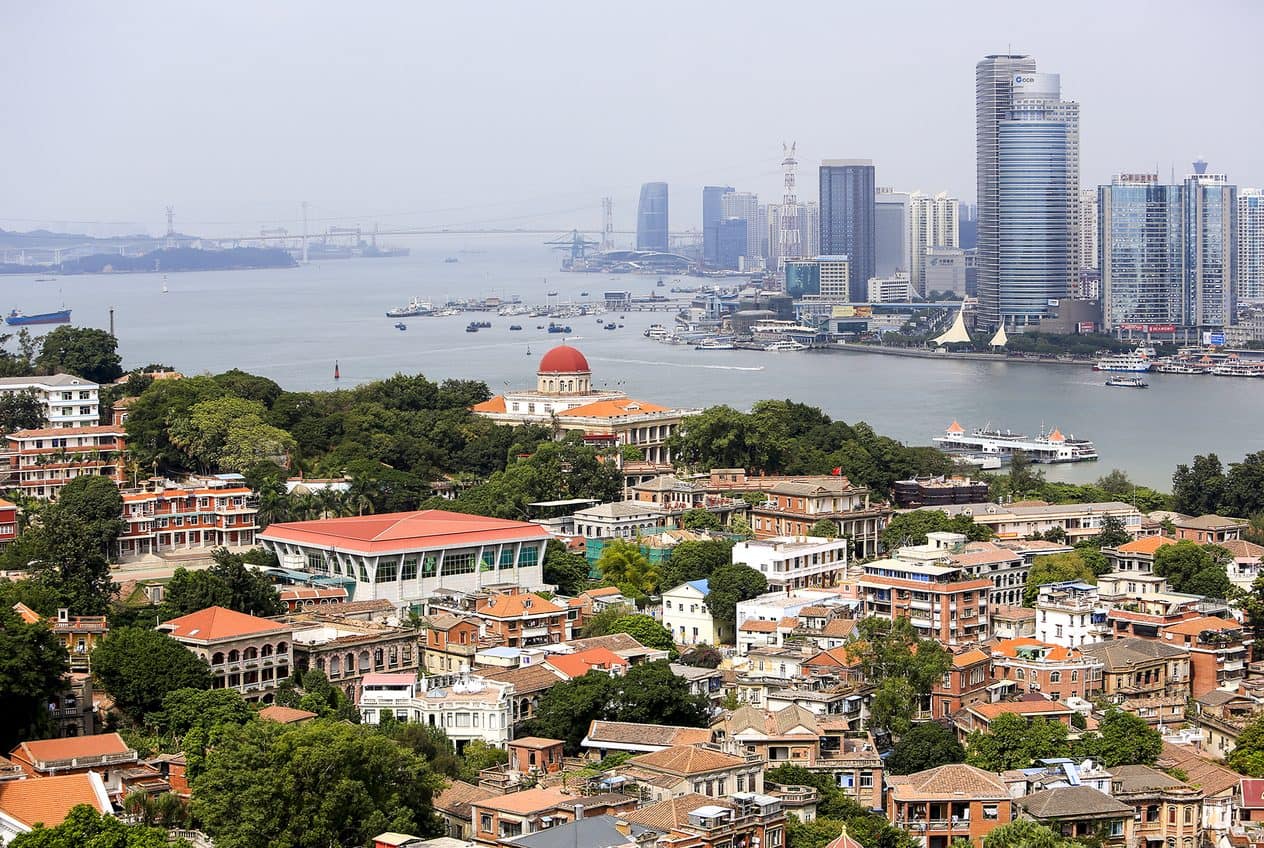
Gulangyu Island
A car-free UNESCO island of a thousand treaty-port villas. The island itself is free — what needs planning is the named ferry booking, which the pier does not sell, and whether the ¥90 combined ticket is worth it.
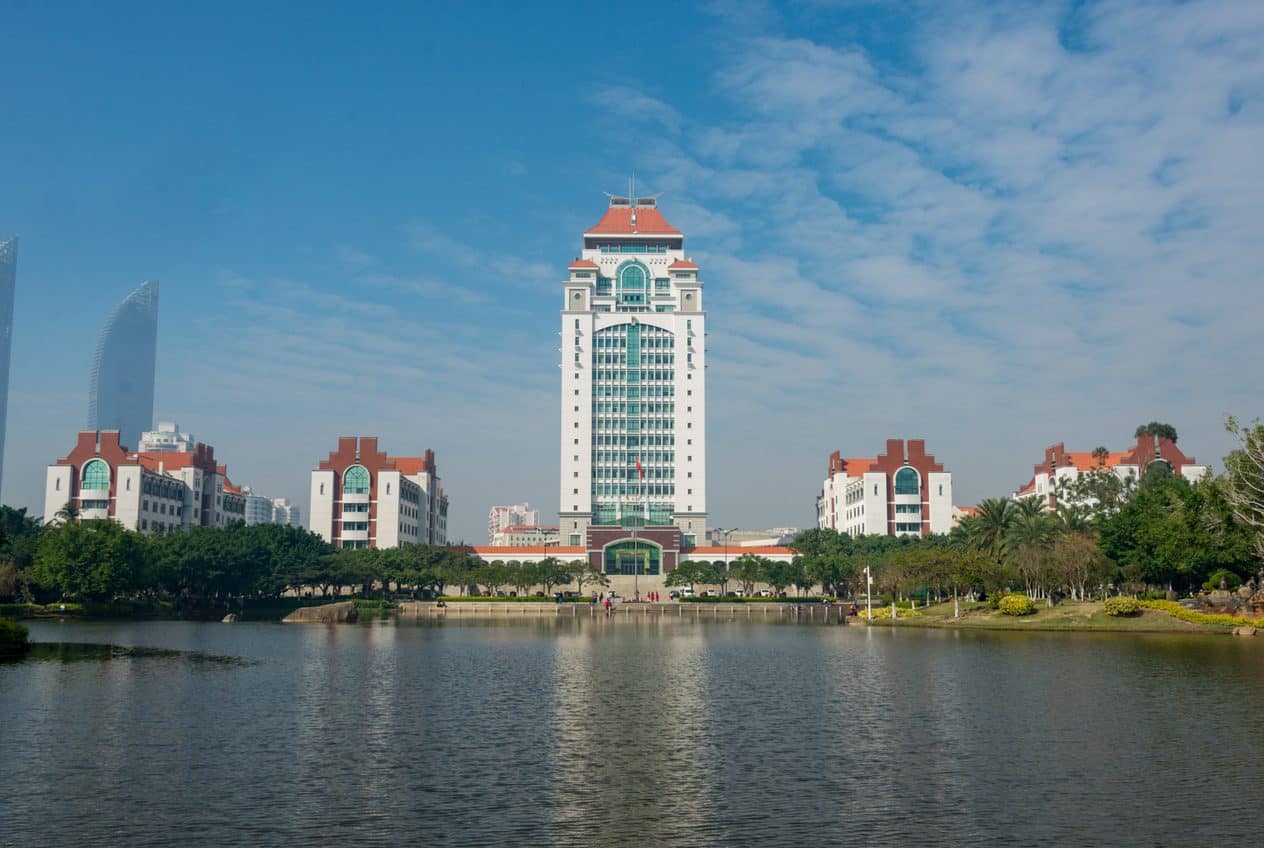
Xiamen University & Nanputuo Temple
One of China's most photographed campuses, next door to a thousand-year-old Minnan temple. Both free; the campus is entered by lottery, and the rule that strands most groups is about the lead booker's ID.
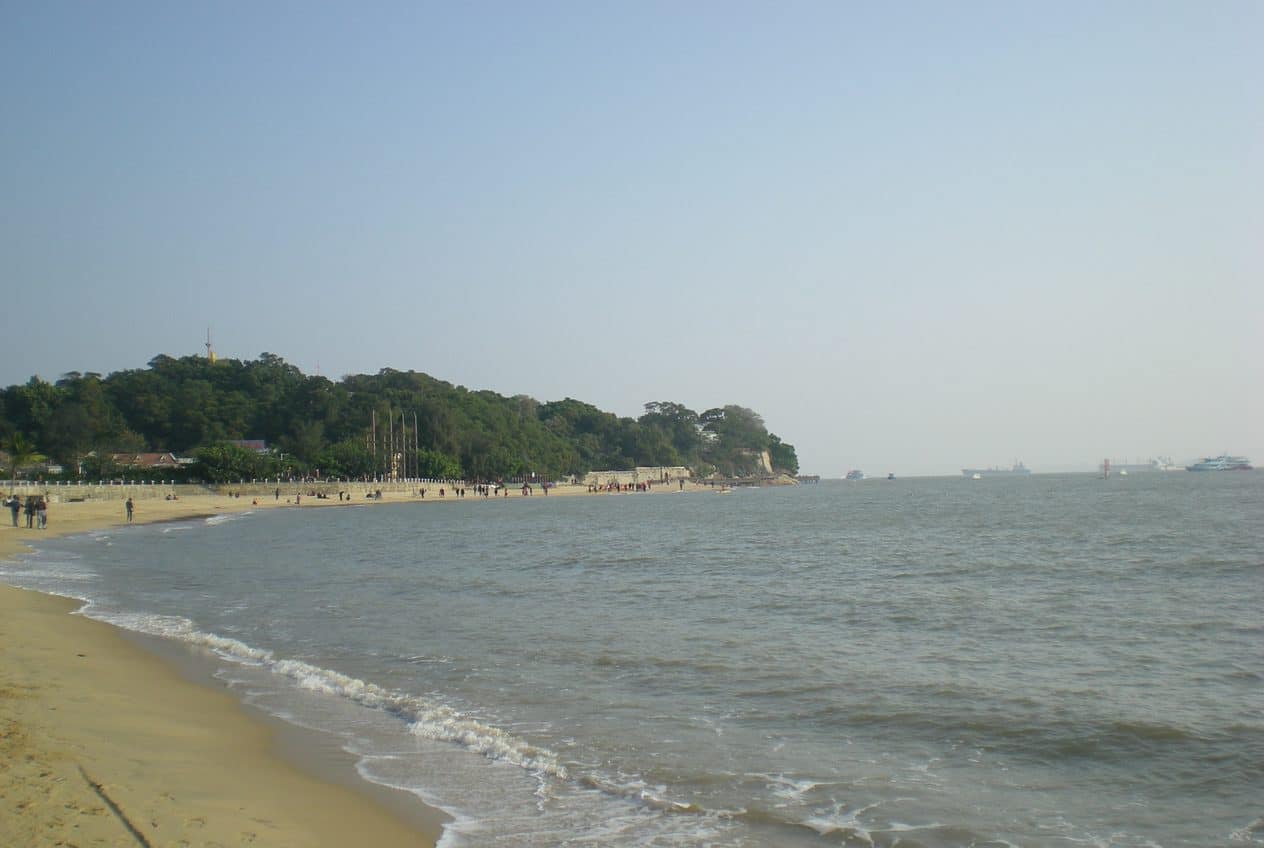
Huandao Road
A purpose-built coastal cycle path along Xiamen's south shore, past beach after beach, looking across the strait to Kinmen. Free, and the best two hours on the main island — if you can unlock a bike.

Shapowei & Zengcuo'an
Two versions of 'old neighbourhood, new life' twenty minutes apart: a working typhoon-shelter harbour turned café and gallery quarter, and a fishing village that became a snack street. Both free; they deserve very different amounts of your time.
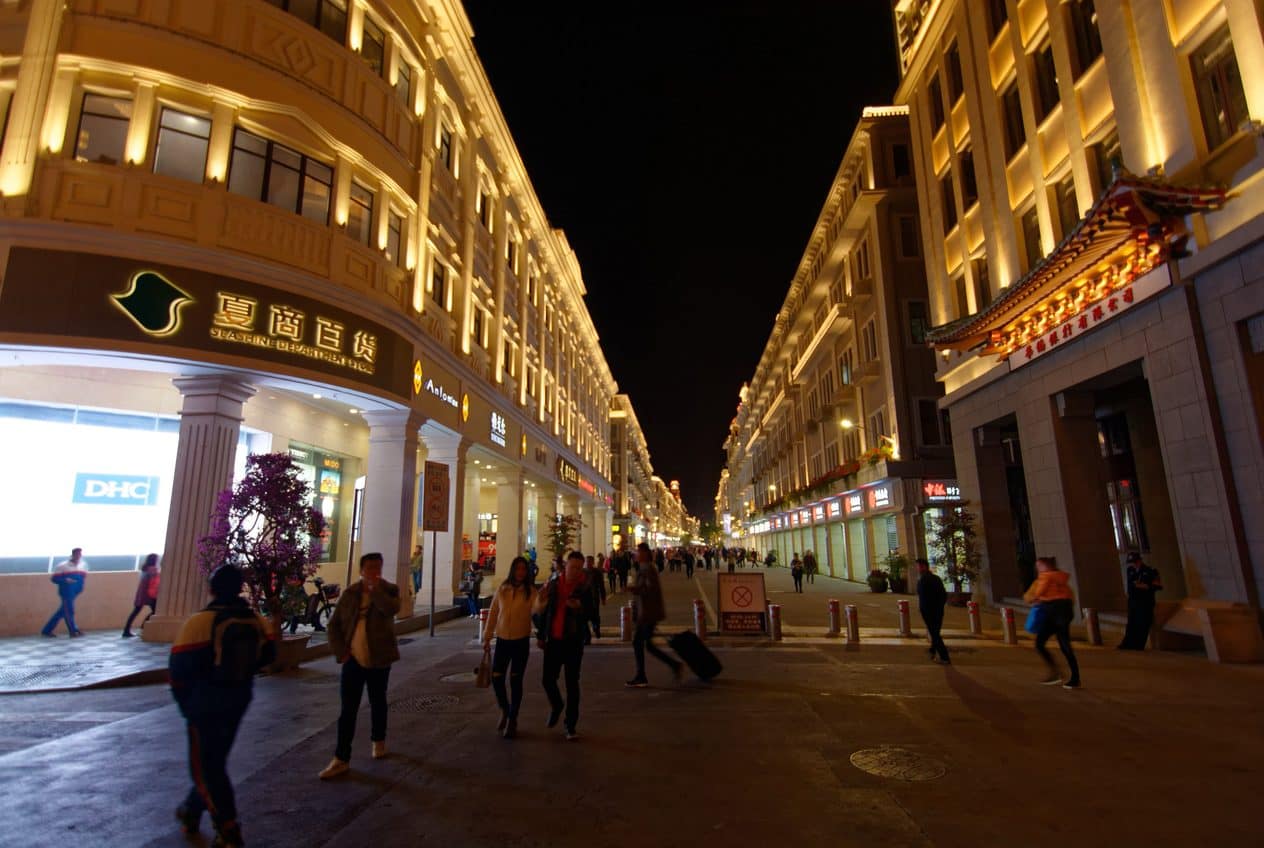
Zhongshan Road & Bashi Market
A treaty-port arcaded street running down to the waterfront, and behind it the market where Xiamen actually buys its fish. Both free; one is best after dark and the other is over by ten in the morning.
Practical reading
The practical guides you will actually use on this trip.
FAQ
Is 3 days enough for Xiamen?
Yes. The island is a full day on its own and everything else is compact and metro-linked, so three days covers it without compression. A fourth day only makes sense if you are continuing to Tulou country in western Fujian, which is a separate trip rather than an add-on.
What if I do not win the Xiamen University lottery?
Day 2 still works, which is why it is built this way. Nanputuo Temple next door is free and is the stop most people underrate, and the Huandao Road ride that follows is the best couple of hours in the city. The campus is a nice-to-have on this route, not the thing it depends on.
Can I do Gulangyu in half a day?
You can walk the main lanes in half a day, but the combined-ticket sites alone need three to four hours, and the quiet back lanes past the piers are what the early boat buys you. Taking the midday ferry means arriving with everyone else and spending the visit in a queue, which is the version of Gulangyu people come away disappointed by.
Is Xiamen a good base for a wider Fujian trip?
As a starting point, yes — it is the easiest arrival in the province and has the best food. But the Tulou earthen buildings and Wuyishan are both several hours out in different directions, so they are onward legs rather than day trips. Use these three days as the coastal half and plan the inland half separately.
Other itineraries
GoChinaTravel Editorial Team
Our team of China travel researchers combines on-the-ground contributor insights, official government sources, and traveler community feedback to create the most detailed English-language China guides available. Every guide is fact-checked against primary sources (NIA, 12367, official attraction websites, Railway 12306) before publication.