1Highlights
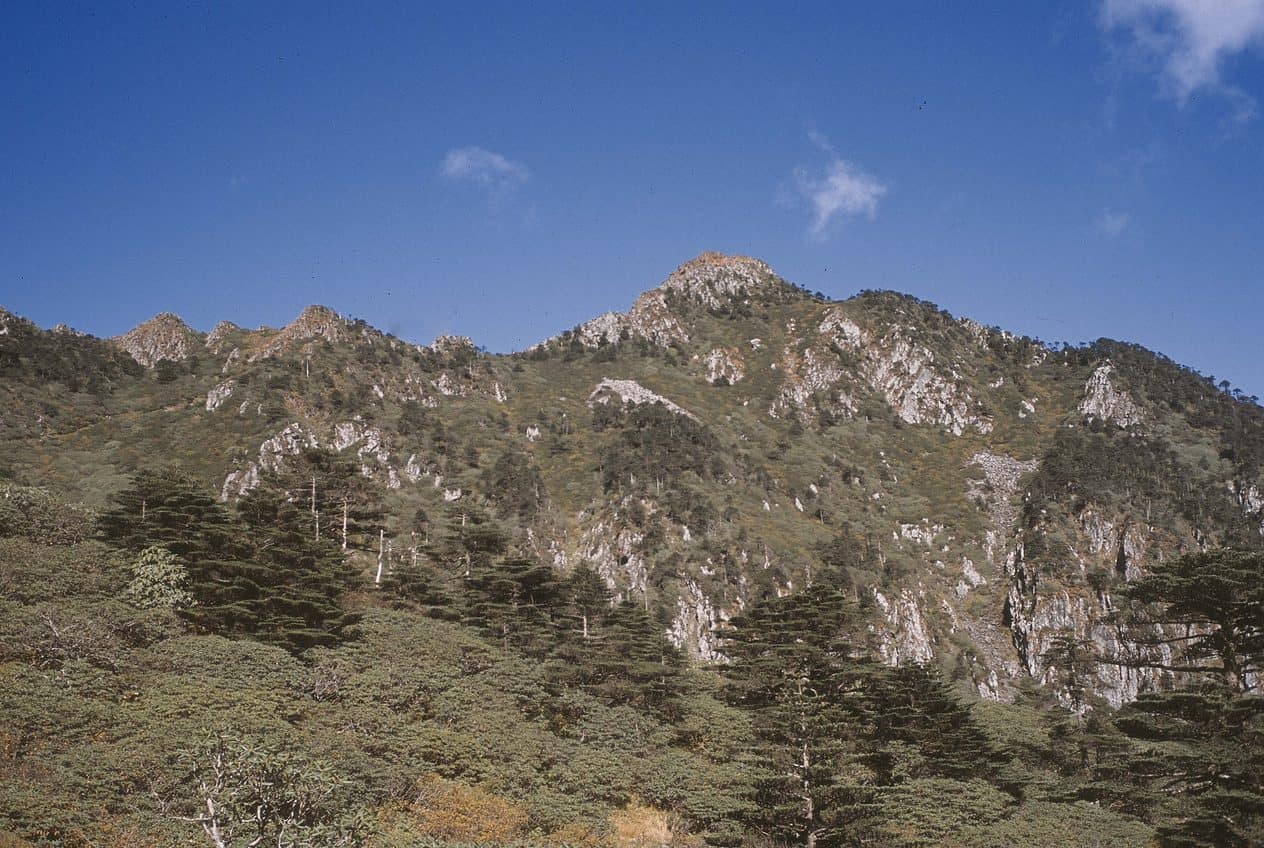
Cangshan is the wall of mountain the old town is built against — nineteen peaks, the highest Malong at 4,122m, holding snow into early summer. You go up by cable car, and the mistake that costs real money is not realising there are three of them at three very different prices. Most guides describe only two. From cheapest: Zhonghe at around ¥100 to Zhonghe Temple; Gantong at around ¥130 return to the mid-mountain, where the Jade Belt Road contour path and Jizhao Nunnery are; and Ximatan at around ¥320 return for the full route to roughly 3,920m, which has the biggest views and is also the one most often shut by wind.
- Zhonghe cable car
- About ¥100, to Zhonghe Temple
- Gantong cable car
- About ¥130 return, mid-mountain
- Ximatan, full route
- About ¥320 return, to ~3,920m
- Ximatan, half route
- About ¥190 return
- Mountain entry fee
- About ¥40 — check if your ticket includes it
- Highest peak
- Malong, 4,122m
- Hours
- Roughly 08:30–17:00
- Suggested time
- Gantong half a day, Ximatan most of one
2Tickets
Three cable cars, and the right question is which view you want rather than which is cheapest. Zhonghe runs to Zhonghe Temple for roughly ¥100 and is the short, quiet option. Gantong is roughly ¥130 return and puts you on the mid-mountain at the start of the Jade Belt Road — the best value for a first visit. Ximatan is roughly ¥320 return for the full route to about 3,920m, or about ¥190 for the half route. Separately there is a Cangshan entry fee of about ¥40. Whether that is already inside your cable-car ticket depends on the channel you bought from — bundles around ¥170 for Gantong are the fee and the cable car together. Ask what your ticket covers before you reach the barrier.
| Zhonghe cable car | About ¥100 | To Zhonghe Temple. The short, quiet option that most guides leave out entirely. |
|---|---|---|
| Gantong cable car (return) | About ¥130 | Mid-mountain, the Jade Belt Road and Jizhao Nunnery. The first-timer's pick. |
| Ximatan — full route return | About ¥320 | To roughly 3,920m and the alpine tarn. Clear days only, and often suspended in wind. |
| Ximatan — half route return | About ¥190 | A middle option if the summit is clouded or the budget is tight. |
| Cangshan entry fee | About ¥40 | Sometimes bundled into the cable-car ticket, sometimes charged separately. Confirm before paying. |
| Three Pagodas + Gantong combo | About ¥170 | Against roughly ¥205 separately — worth it if the pagodas are on your list. |
| Jizhao Nunnery | Free; vegetarian lunch about ¥20 | Near the Gantong upper station. The meal needs booking — turning up hungry does not work. |
Do not assume the mountain fee is already paid:A lot of guides tell you flatly that the Cangshan entry fee is included in every cable-car ticket and that you should refuse to pay it again. That is not reliably true: channels differ, and a Gantong bundle priced around ¥170 is visibly the roughly ¥130 cable car plus the roughly ¥40 entry. Arriving ready to argue on the strength of a guide is a bad position to be in. Ask what your specific ticket covers at the point of purchase, and you will never face the question at the barrier.
Ximatan closes in wind — put it early in the trip:The top station sits near 3,920m and strong summit wind suspends or limits the line at short notice, sometimes after you have already travelled out to it. Schedule it for your first clear morning rather than your last, so a closure costs you a reshuffle instead of the whole thing. If it is cloudy, Ximatan is ¥320 for the inside of a cloud — swap to Gantong or to another day.
Which one, honestly:For a first visit with a normal amount of time: Gantong. For about ¥130 you get the Cangshan-and-Erhai view, the level Jade Belt Road and Jizhao Nunnery, which is enough mountain for most people. Take Ximatan only on a genuinely clear day when the near-4,000m summit is the thing you came for. Zhonghe suits anyone who wants an hour of quiet and a temple rather than a viewpoint, at the lowest price of the three.
Klook
Book tours, tickets and activities in China
Klook lists tickets, tours and activities for many major attractions in China with an English-language booking flow. Product inclusions, available payment methods, reservation steps, ID requirements, voucher redemption and cancellation terms vary by listing and attraction, so check the product page and the attraction's official rules before paying.
- English-language listings for attraction tickets, guided tours and day trips
- Available payment methods are shown on the individual checkout page
- Reservation and real-name ID details vary by attraction and product
- Voucher format and on-site redemption instructions are product-specific
- Read the cancellation policy and official attraction notices before booking
Disclosure: this is an affiliate link. We may earn a small commission if you buy through it, at no extra cost to you. We only recommend products we would use ourselves.
3Getting There
All three lower stations sit at the foot of the range near the old town, ten to twenty minutes by taxi. The old-town visitor centre also runs direct buses to the Gantong and Ximatan bases for a few yuan, which is the easy option if you are not in a hurry.
Visitor centre → Gantong / Ximatan base stations
Old town → any lower station, 10–20 minutes
Gantong about 20 minutes to the mid-mountain
Check the sky before you commit:Cangshan makes its own weather and the summit can be in cloud while the old town is in sunshine. Because the cable cars are the whole cost of the day, moving the mountain to a clearer morning is nearly free, whereas going up into cloud is not. Build Cangshan into the trip as a floating day rather than a fixed one.
4Route & Photos
Gantong, half a day: cable car up → the Jade Belt Road, a level contour path cut along the mountainside above Erhai → back → vegetarian lunch at Jizhao Nunnery if you booked it. Ximatan, most of a day: straight to the top, the alpine tarn and the boardwalks, down the same way. The two are not combined in one day and trying to is how people end up rushing both.
Recommended Route
- 1
Gantong cable car up
About twenty minutes to the mid-mountain station, with Erhai opening up behind you.
- 2
Jade Belt Road
A level contour path along the mountainside — the walk is the point, not a summit.
- 3
Jizhao Nunnery
Courtyards full of succulents and a simple vegetarian lunch for about ¥20. Book the meal ahead.
- 4
Or: Ximatan to the top
Roughly 3,920m, the alpine tarn and the boardwalk. Clear days only, and bring a real jacket.
Best Photo Spots
Jade Belt Road viewpoints
The old town and Erhai laid out below, with the lake filling the frame on a clear morning.
Ximatan summit
The alpine tarn and, on the right day, a sea of cloud below you rather than around you.
5Food & Stay
| Jizhao NunneryBuddhist vegetarian | About ¥20 pp | Simple, peaceful and genuinely good. Needs booking — you cannot just walk in hungry. |
|---|---|---|
| Back in the old townBai food and rice noodles | ¥30–80 pp | Where to eat properly. There is very little on the mountain itself. |
Carry water and food up:There is almost nothing to buy on the mountain, and the Jade Belt Road is a long level walk with no facilities along it. At altitude you will drink more than you expect. Pack it at the bottom.
Where to Stay
- Dali Old Town, ¥50–500/night — all three lower stations are within twenty minutes, and keeping Cangshan as a floating day is far easier from a base you are not checking out of.
6Tips & Pitfalls
- There are three cable cars, not two. Zhonghe about ¥100, Gantong about ¥130, Ximatan about ¥320 full route. Guides quoting a single 'Cangshan cable car' price almost always mean Gantong.
- Ask what your ticket includes before you pay. The roughly ¥40 mountain fee is bundled on some channels and separate on others — do not arrive planning to argue about it.
- Put Ximatan on a clear morning, early in the trip. Wind closes it at short notice, and in cloud you are paying ¥320 for white.
- Book the Jizhao Nunnery lunch. It is about ¥20 and one of the nicest hours on the mountain, but it is not a walk-in.
- Bring a layer even in summer. The upper stations run roughly 8–10°C colder than the old town, and the wind does the rest.
7Frequently Asked Questions
How many cable cars does Cangshan have, and how much?
Three. Zhonghe runs to Zhonghe Temple for roughly ¥100; Gantong is roughly ¥130 return to the mid-mountain; Ximatan is roughly ¥320 return for the full route to about 3,920m, or roughly ¥190 for half. Most guides only mention Gantong and Ximatan. Official live prices govern.
Gantong or Ximatan?
Gantong for a first visit, a tighter budget, or anyone travelling with children or older relatives — ¥130 buys the view, the Jade Belt Road and Jizhao Nunnery. Ximatan only on a genuinely clear day when the near-4,000m summit is specifically what you want.
Is the Cangshan entry fee included in the cable car ticket?
Sometimes. There is a mountain entry fee of about ¥40 and whether it is bundled depends on which channel you bought from — a Gantong package around ¥170 is clearly the cable car plus the fee. Confirm what your ticket covers when you buy rather than assuming either way.
Does Ximatan get suspended?
Yes, regularly. Strong summit wind suspends or limits it at short notice, sometimes after you have already made the trip out. Schedule it early in your stay so a closure means rescheduling rather than missing it.
What is at Jizhao Nunnery?
A small nunnery near the Gantong upper station, known for courtyards packed with succulents and a simple vegetarian lunch at about ¥20. Entry is free but the meal needs to be booked ahead.
Combine With
Other Dali sights that genuinely pair well with this one
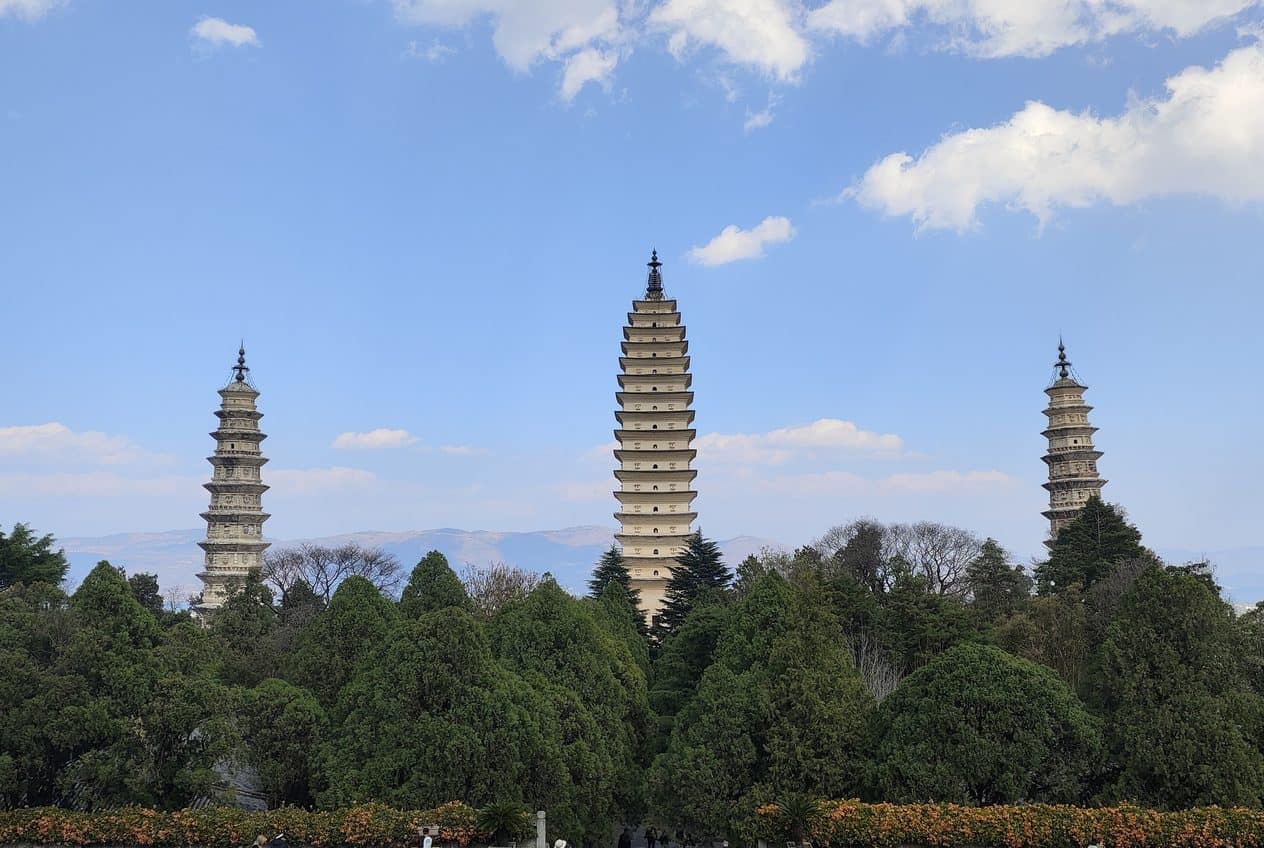
Three Pagodas of Chongsheng Temple
Same side of town and sold together — if the mountain is clouded in, the pagodas are the indoor-weather half of the combo.
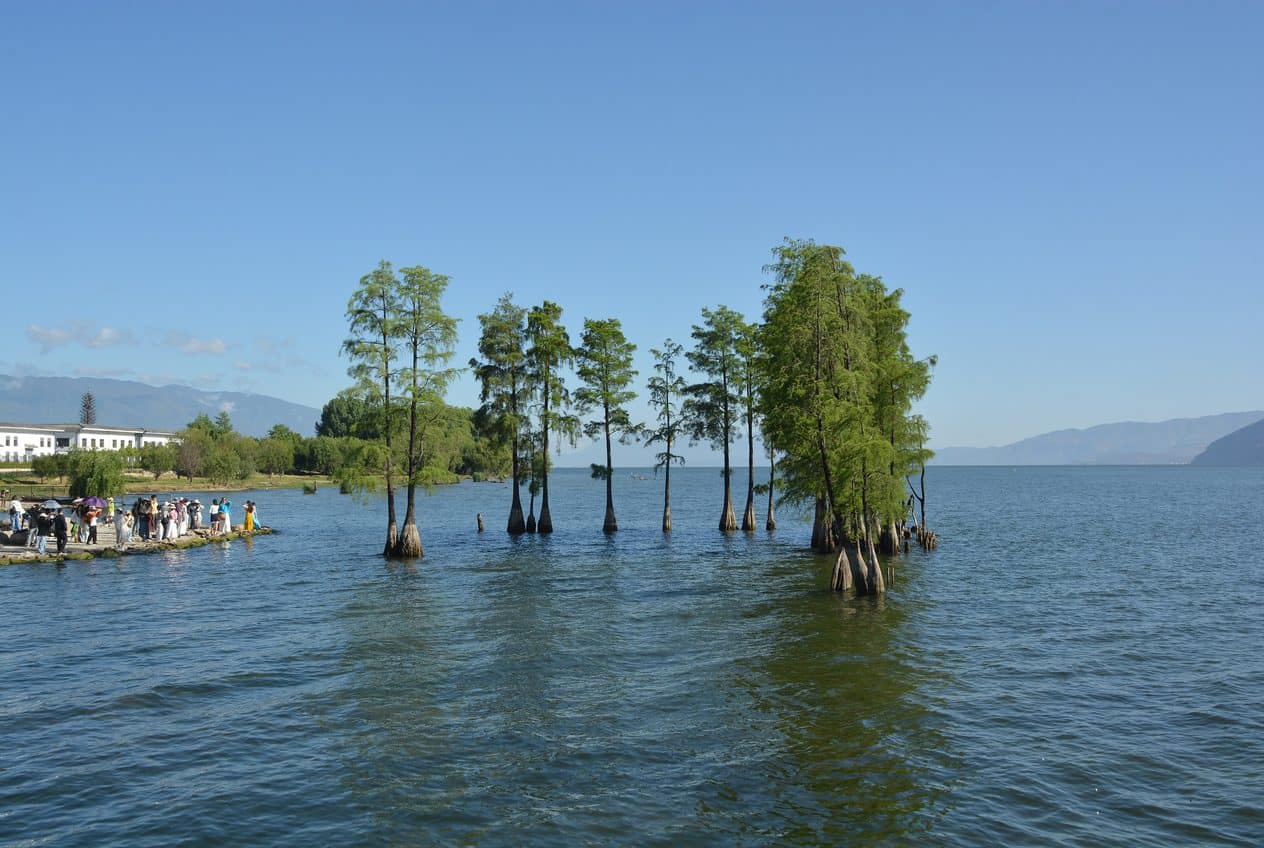
Erhai Lake & the Ecological Corridor
What you spend the cable car looking down at. Do the mountain on the clear morning and the lake on the other one.
Before You Go
The practical guides you will actually need here
All Dali attractions
GoChinaTravel Editorial Team
Our team of China travel researchers combines on-the-ground contributor insights, official government sources, and traveler community feedback to create the most detailed English-language China guides available. Every guide is fact-checked against primary sources (NIA, 12367, official attraction websites, Railway 12306) before publication.